
Cleaning With Vinegar: What It Works On (and What to Avoid)
White vinegar might be the most underrated product in your pantry. It's cheap, it's low-tox and it can replace a surprising number of the bottles under your sink. But it's not a miracle cure for everything, and on some surfaces it can do real damage.
Here's where vinegar shines, where to keep it well away, and how to use it properly.
Why vinegar works for cleaning
White vinegar is acidic. That acid dissolves mineral deposits like limescale and hard water spots, breaks down soap scum, cuts through light grease and neutralises a lot of everyday odours. Stick to plain white vinegar for cleaning. Apple cider and other flavoured vinegars can leave residue and smells behind.
How to mix a basic vinegar cleaning spray
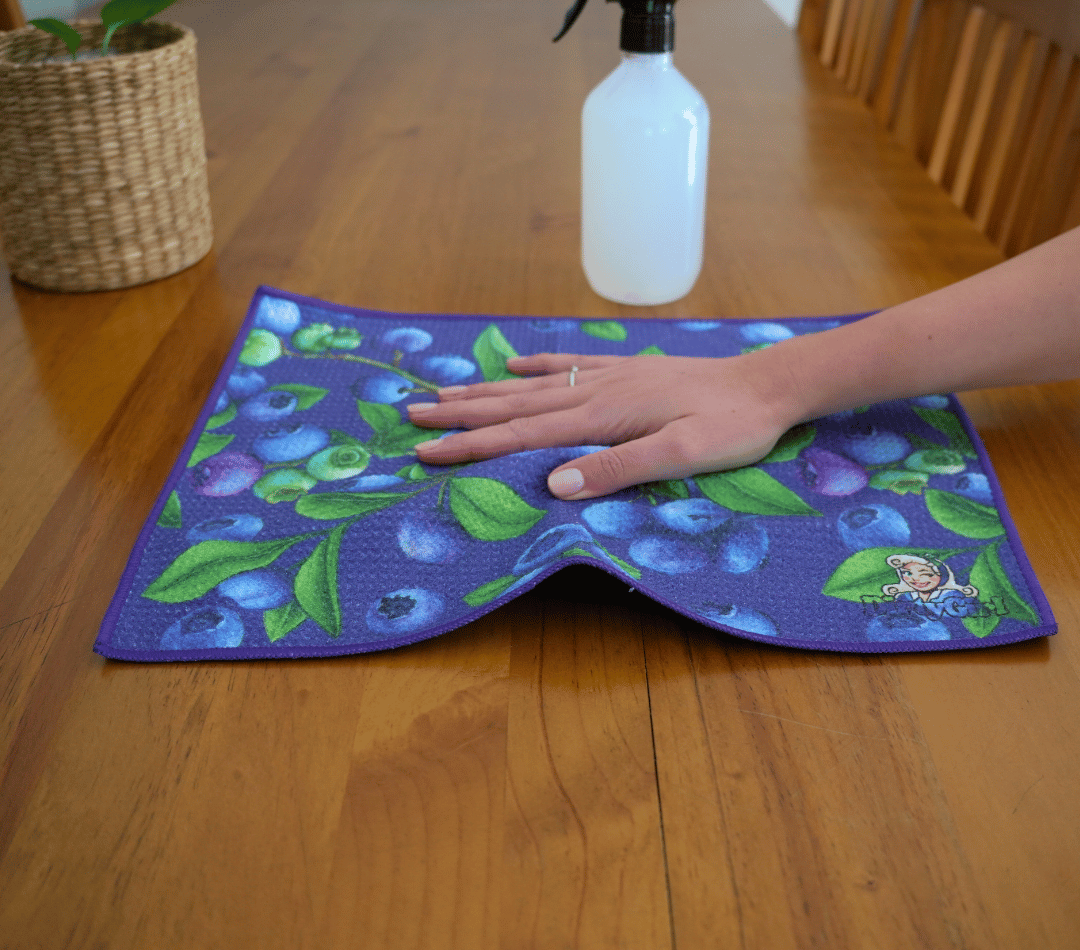
Mix equal parts white vinegar and water in a spray bottle. For greasy jobs, add a few drops of dishwashing liquid. That's it. If you don't love the smell, a few drops of essential oil or a strip of lemon peel left to infuse in the bottle helps. The vinegar smell also fades as it dries.
What you can clean with vinegar
- Glass and mirrors. Spray onto your cloth, wipe and buff dry. See our guide on cleaning mirrors without streaks.
- Shower screens. Warm vinegar mixed with dishwashing liquid is the classic soap scum buster. Here's our full method for cleaning a glass shower screen.
- Chrome taps and fittings. Wrap a vinegar-soaked cloth around limescale build-up for 30 minutes, then wipe clean. This one's for chrome only (see below).
- Kettles. Fill halfway with equal parts vinegar and water, boil, leave for an hour, then rinse well and boil a couple of times with fresh water.
- The microwave. Heat a bowl of water with a splash of vinegar for a few minutes. The steam loosens splatters so they wipe straight off.
- Your laundry. A splash in the softener drawer instead of fabric softener keeps tea towels and cleaning cloths absorbent and smelling fresh. It's exactly what we recommend in our Wash, Use & Care Guide.
- Fridge shelves and bins. Great for wiping away odours.
- Your washing machine. Check your manual first, then follow our guide on how to clean your washing machine.
What not to clean with vinegar
- Natural stone. Marble, granite, travertine and limestone can be etched and dulled by acid. Use a pH-neutral cleaner instead.
- Engineered stone benchtops. Many manufacturers advise against acidic cleaners. Check your care guide.
- Matte black, brass, gold and brushed nickel tapware. Acid can mark or strip these finishes. Stick to warm soapy water and a soft cloth.
- Waxed or unsealed timber. Vinegar can strip the finish. Sealed floors may be fine with a very diluted mix, but check with the manufacturer.
- Cast iron and aluminium. The acid can damage the surface and strip seasoning.
- Screens and electronics. Phone, laptop and TV screens often have coatings that vinegar can damage.
- Unsealed grout. Repeated use can wear it down over time.
Never mix vinegar with bleach
This one's important. Combining vinegar with bleach releases chlorine gas, which is toxic. Never mix them, and don't use them one after the other on the same surface without rinsing thoroughly in between.
What about vinegar and bicarb soda?
The fizz looks impressive, but the two actually neutralise each other, leaving mostly salty water. They're both brilliant on their own, so use them separately: bicarb as a gentle scrub, then vinegar to rinse and dissolve.
Is vinegar a disinfectant?
Not in the way most people think. Vinegar can reduce some bacteria, but it isn't a registered disinfectant and won't reliably kill all germs. For things like raw meat clean-up or when someone's been sick, use a proper disinfectant and follow the label.
Vinegar cleaning FAQs
What's the best vinegar for cleaning?
Plain white vinegar. It's cheap, clear and doesn't leave residue. Some supermarkets also sell stronger cleaning vinegar, which works the same way but should be diluted more.
Can I use vinegar with my cleaning cloth?
Yes. DirtyGirl cloths can be used with vinegar, and a splash in the wash helps keep the fibres clear and performing at their best.
Does the vinegar smell go away?
Yes, usually within an hour as it dries. Opening a window speeds things along.
Pair your vinegar spray with a DirtyGirl cleaning cloth and you've got a low-tox kit that handles most of the house.
Please note: the tips in this post are general information only. Every home, surface, fabric and appliance is different, so always check the manufacturer's care instructions and patch test on a small, hidden area first. Any tips are used at your own risk, and DirtyGirl can't be held responsible for any damage that may result.

Leave a comment
This site is protected by hCaptcha and the hCaptcha Privacy Policy and Terms of Service apply.