
Microfibre vs Cotton Cleaning Cloths: Which Is Actually Better?
Walk down the cleaning aisle and you'll find cloths in every fabric, colour and price. Cotton, microfibre, bamboo, blends. They all promise to be the best, so which one actually is?
We spent over a year testing fabrics before landing on the one we use for DirtyGirl, so we've got opinions. Here's an honest breakdown.
Cotton cleaning cloths
The classic. Think old tea towels, flannel face washers and terry cloth rags.
What they're good at
- Soft and absorbent
- Handle heat well
- Natural fibre
Where they fall short
- Slow to dry. Cotton holds water for a long time, which is how cloths end up musty.
- Leave lint behind. Not ideal on glass, mirrors or dark benchtops.
- Push dirt around. Cotton fibres are relatively thick, so they tend to move grime rather than trap it.
- Hold on to smells and stains over time.
Microfibre cleaning cloths
Microfibre is made from very fine synthetic fibres, usually polyester and polyamide (also called nylon). The fibres are much finer than cotton, which gives them a huge surface area to grab dust, grease and grime.
What they're good at
- Picks up dust and dirt rather than spreading it
- Often works with just water
- Lint-free and great on glass
- Dries faster than cotton
Where they fall short
- Quality varies a lot. Cheap microfibre can feel scratchy, lose its grip after a few washes and leave streaks.
- Hates fabric softener. Softener clogs the fibres and stops them working.
- Not great with heat. Hot surfaces and high dryer temperatures can damage the fibres.
So which is better?
For most everyday cleaning, a quality synthetic cloth outperforms cotton. It cleans better with less product, leaves fewer streaks and dries faster, which means fewer smells. Cotton still has its place for jobs involving heat, or if you prefer natural fibres.
But here's the thing: not all synthetic cloths are equal. The blend, the weave and how the fibres are finished make a huge difference to how a cloth performs and how long it lasts.
Where DirtyGirl fits in
When we started DirtyGirl, we weren't happy with either option. Cotton was too slow to dry and left lint everywhere. Standard microfibre felt cheap and lost its performance too quickly. And frankly, both were boring to look at.
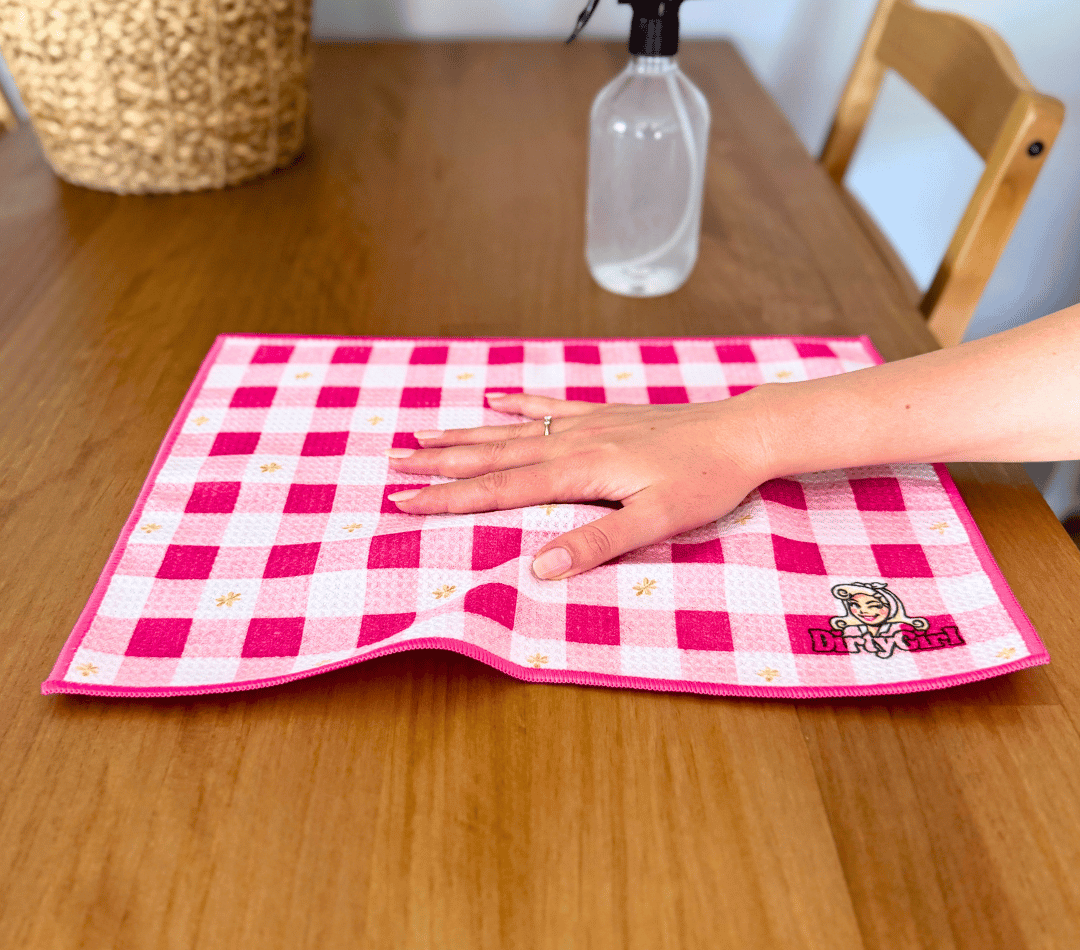
DirtyGirl cloths are made from a unique polyester and polyamide blend designed to go beyond standard microfibre and cotton. They're:
- More absorbent, so they soak up spills fast
- Faster drying, so they don't sit around damp
- Odour-resistant between washes
- Streak-free on glass, mirrors and stainless steel
- Designed to work with just water for everyday clean-ups
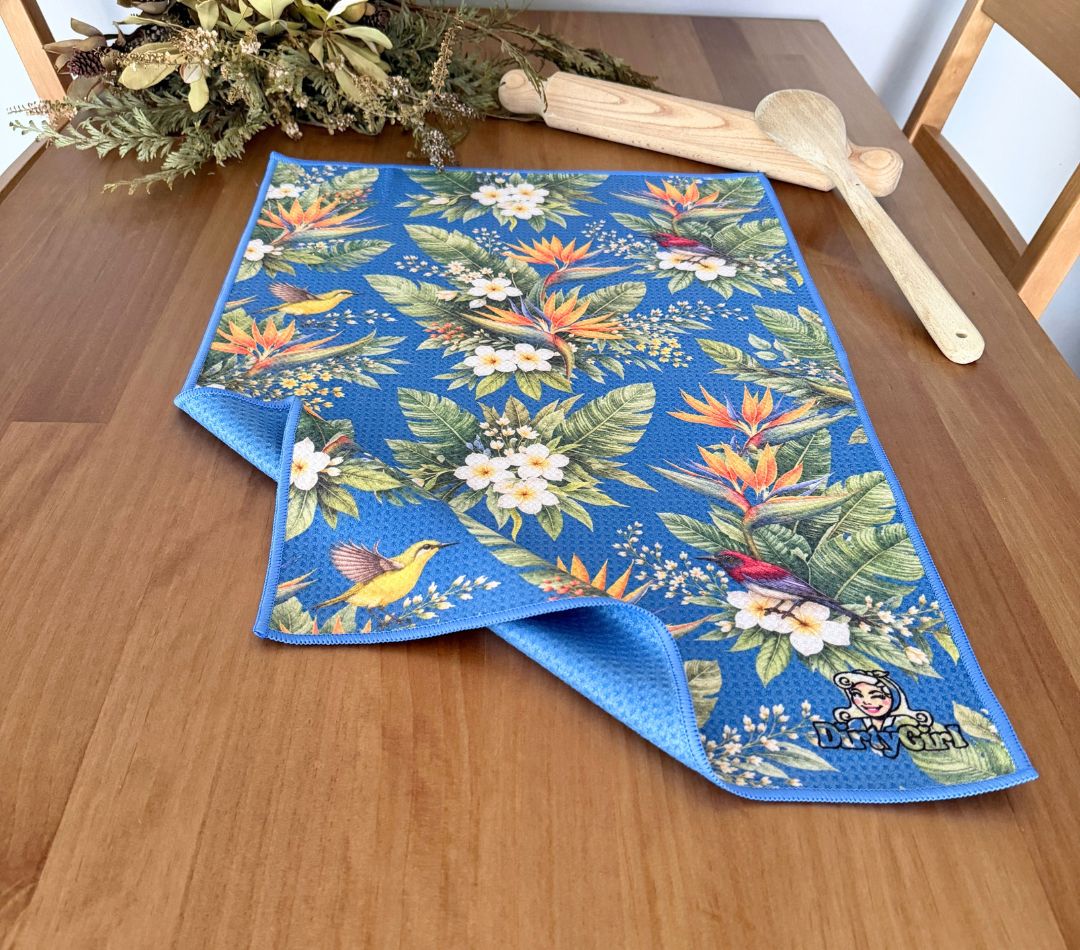
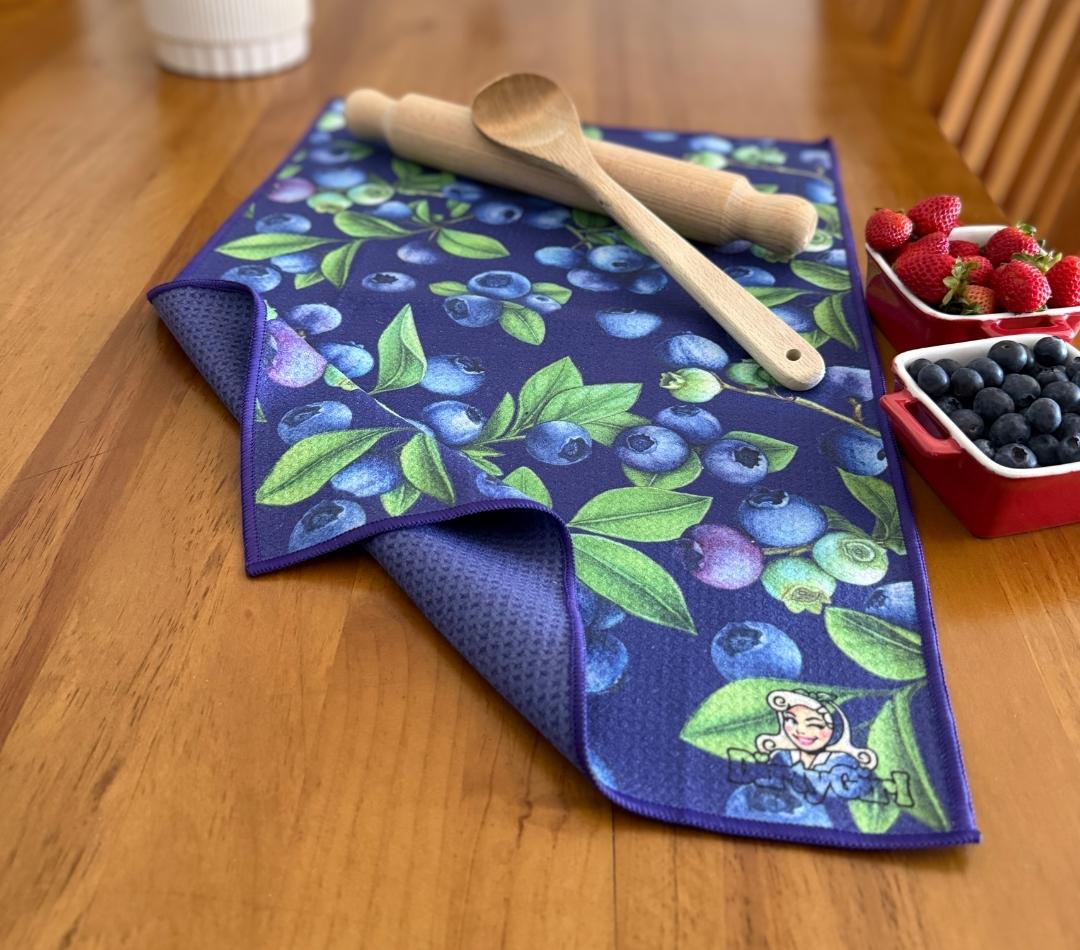
- Printed with designs you'll actually want on show
Quick guide: which cloth for which job?
- Glass and mirrors: lint-free synthetic cloth, damp then dry
- Kitchen benches: absorbent, quick-drying cloth, swapped every day or two
- Dusting: dry synthetic cloth that grabs dust instead of flicking it around
- Drying dishes: an absorbent tea towel that won't leave lint on glassware
- Anything hot: let it cool first, whatever cloth you're using
How to make any cleaning cloth last longer
- Wash with regular detergent and skip the fabric softener
- Add a splash of white vinegar to the wash to keep fibres clear
- Avoid bleach
- Hang to dry fully before putting away
Cleaning cloth FAQs
Is microfibre better than cotton for cleaning?
For most household jobs, yes. Fine synthetic fibres trap dirt rather than pushing it around and dry faster. Cotton is better for jobs involving heat.
Can microfibre cloths scratch surfaces?
A clean, good quality cloth shouldn't. Scratches usually come from grit trapped in a dirty cloth, so rinse and wash them regularly.
How long do reusable cleaning cloths last?
A quality reusable cloth that's cared for properly can last a very long time, far longer than a pack of disposables. Skipping softener and bleach makes a big difference.
Want to read more about why we started? Here's how DirtyGirl was born. Or go straight to the good stuff and shop our cleaning cloths.
Please note: the tips in this post are general information only. Every home, surface, fabric and appliance is different, so always check the manufacturer's care instructions and patch test on a small, hidden area first. Any tips are used at your own risk, and DirtyGirl can't be held responsible for any damage that may result.

Leave a comment
This site is protected by hCaptcha and the hCaptcha Privacy Policy and Terms of Service apply.